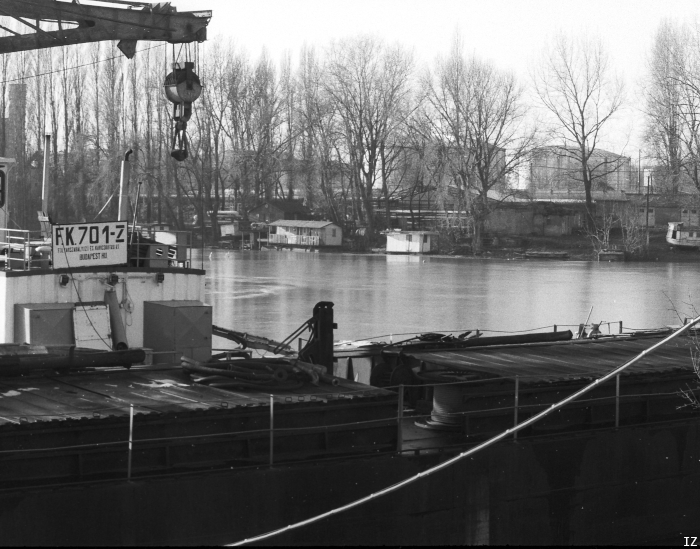
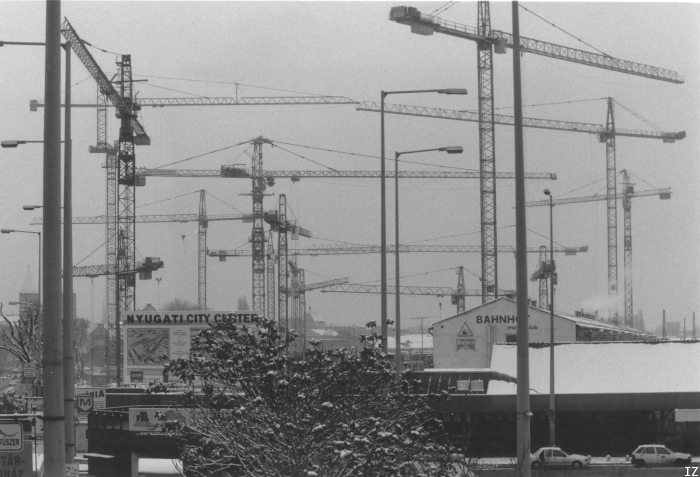
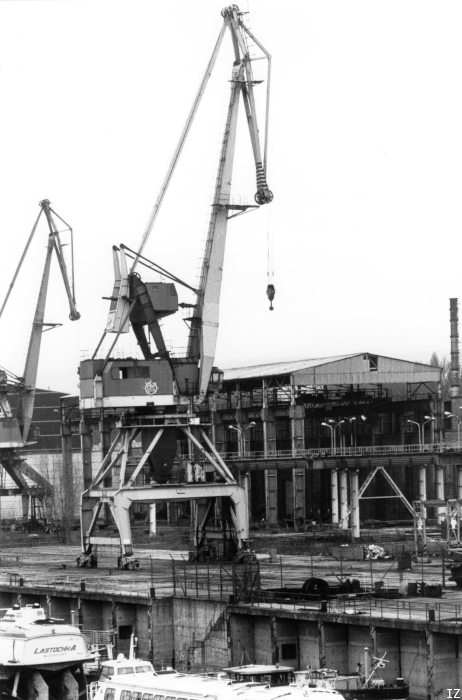
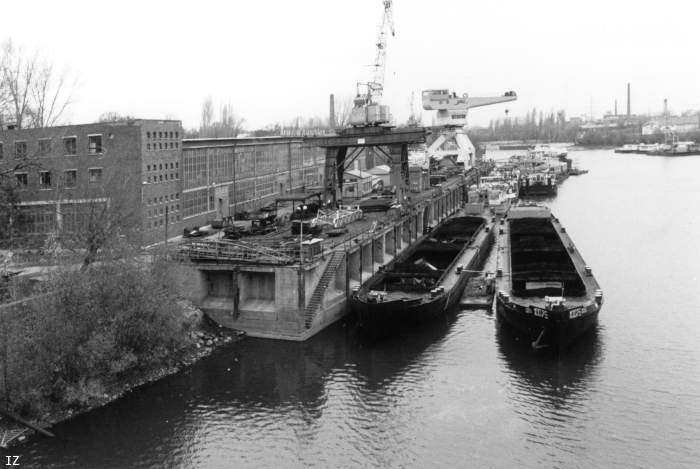
The book I wrote about Budapest many years ago contains a series of original photographs, taken to illustrate the points made in the text.
Here are some of those images.
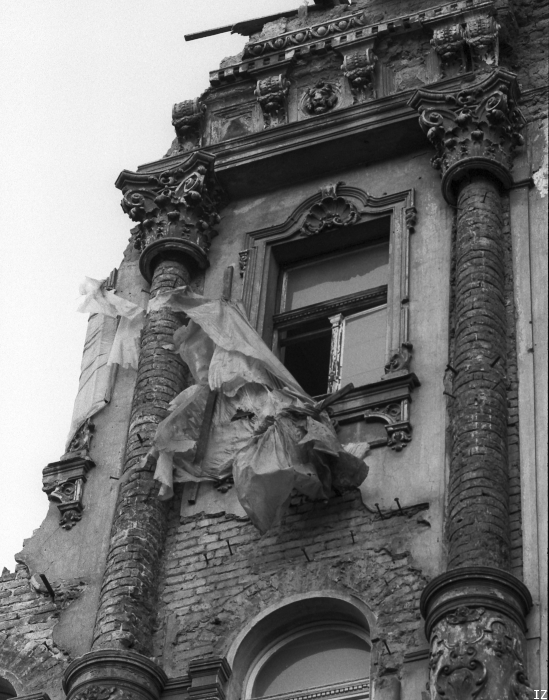
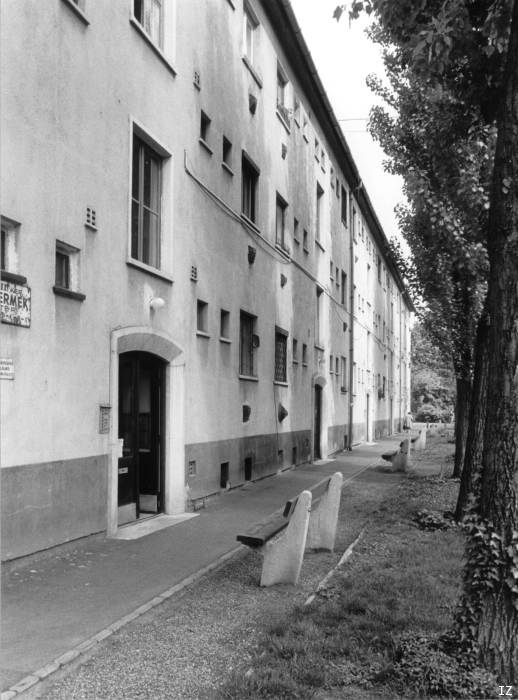
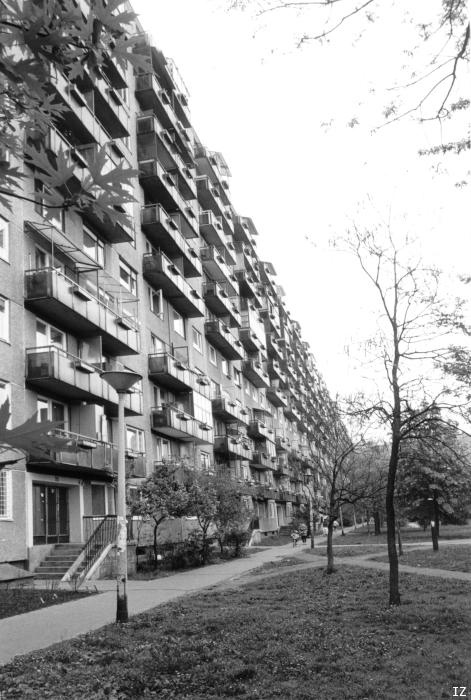
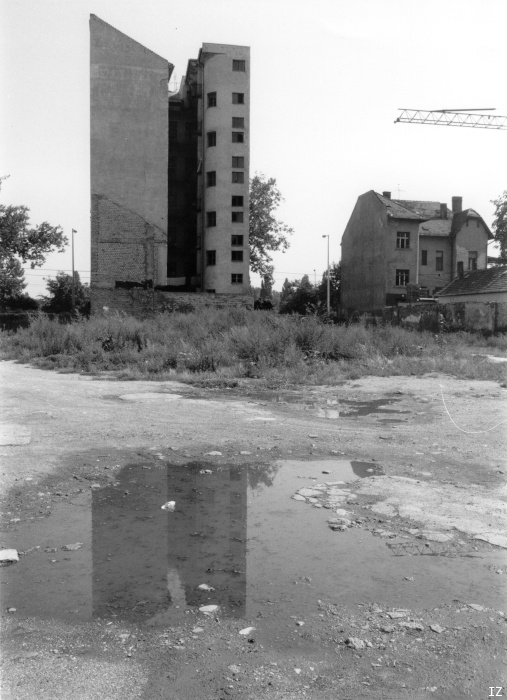
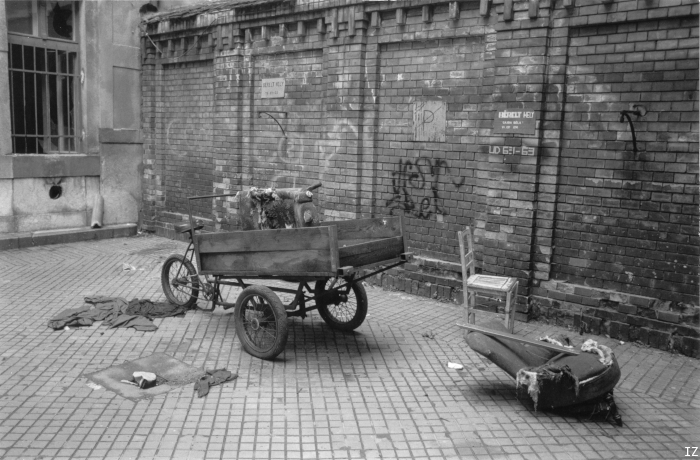
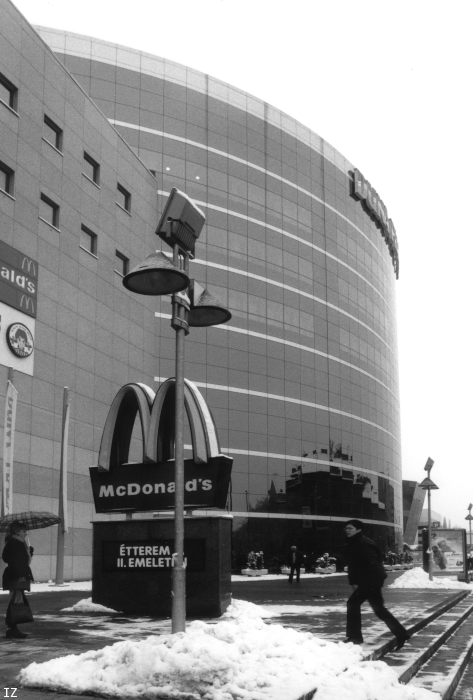
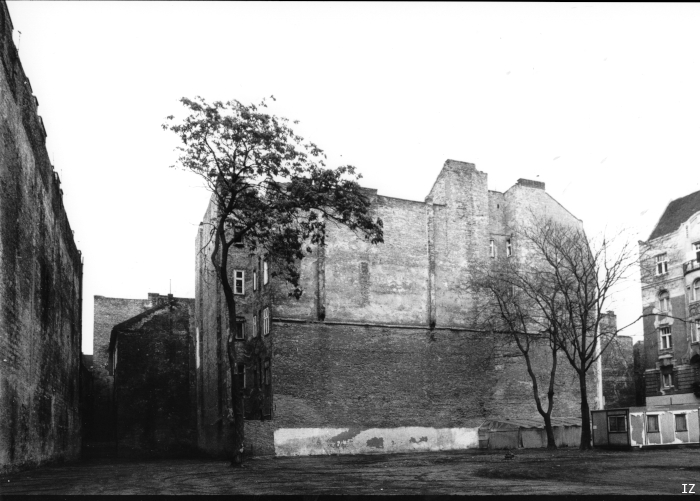
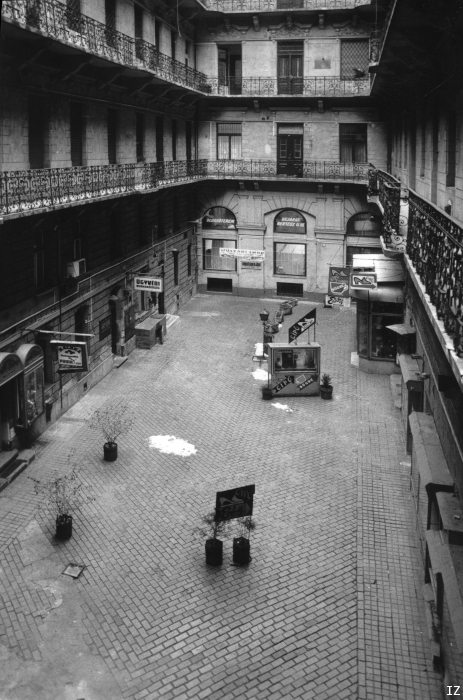
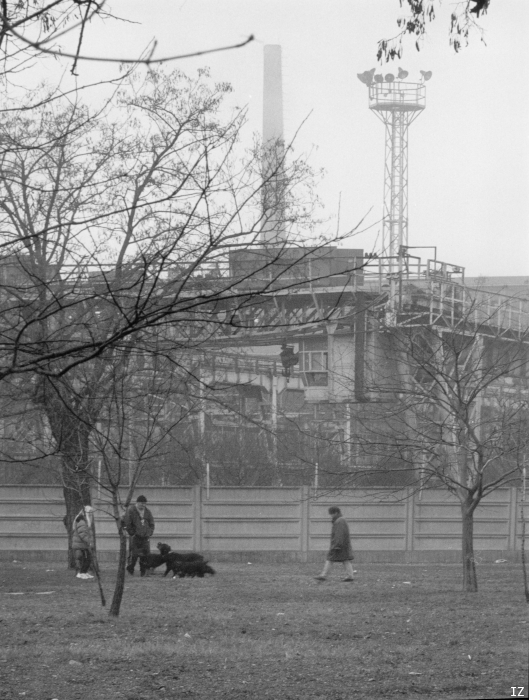
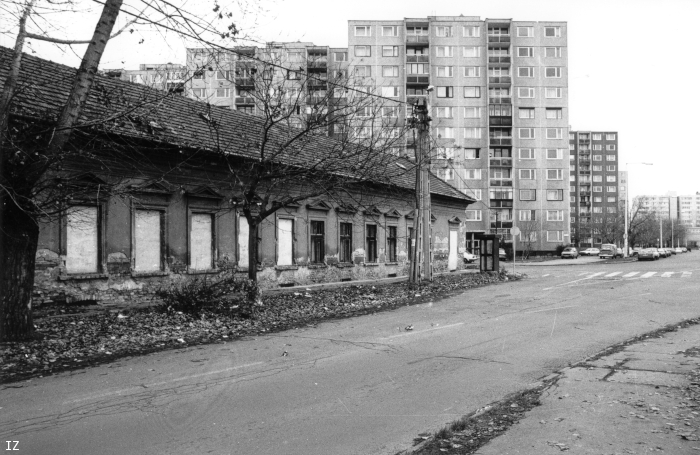
For those particularly interested in the content, here is the text from the back cover.
1989 will forever be remembered as the year that saw the final collapse of the bloc of socialist republics that had dominated European politics since the end of the Second World War. It was the year that the Berlin Wall came down and the ‘Velvet Revolutions’ took place.
The brief period leading up to the turn of the century brought profound changes to socialist Europe. New horizons opened up, along with fresh cultural, political and social exchanges. With these came the new market economy and the values of consumer society.
The major socialist cities were immediately swept up in impressive changes and the new atmosphere of the 1990s — especially Budapest, which has always been the most open and cosmopolitan capital city in Central and Eastern Europe. The market economy and local finance chose it as their base and gateway to the East. Enormous flows of foreign capital overwhelmed and transformed the city.
Driven by these new circumstances, the city, which had been governed by a rigid, centralised planning system for over 40 years, is undergoing rapid transformation. The new global economy and society are reshaping it in much the same way as has happened in many other major cities, but at a faster pace. It has achieved in ten years what has taken much longer and involved more gradual processes elsewhere.
In my view, this compression of time has made the transformations to Budapest’s urban fabric, organisation and space more evident and dramatic. It is precisely by highlighting these changes that the book explores how the global economy and society can transform cities.
This reflection begins with a detailed account of events in the Hungarian capital between 1990 and 1999. It does not aim for a neutral portrayal, but instead adopts a personal and deliberate perspective. Seeking to interpret the signs of continuity and discontinuity between a recent past that sometimes feels distant and the final years of the last century, it explores connections and differences with events in neighbouring Western Europe. It also attempts to analyse the tools used by scholars to interpret the city’s recent transformations and their outcomes. Ultimately, it is an affectionate reflection on the two cities that face each other across the Danube and form Budapest.